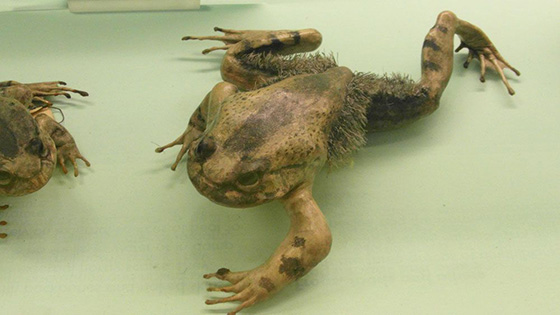
The hairy frog is also known as the horror frog or Wolverine frog, native to Central Africa. These names are a reference to the hair-like features that breeding males of the species sport on their bodies and thighs.
However, their name is also derived from the fact that these frogs have retractable “claws.” It is important to note that these are not true claws. Instead, when needed, the hairy frog intentionally breaks its toe bones so that they project through the skin, creating these fake claws.
In Cameroon, individuals will hunt this frog with spears or machetes in order to roast and eat it. Local belief states that hairy frogs come from the sky, and if a couple struggling with fertility would eat it, it would provide fertility.
Purple Frog
Purple Frog
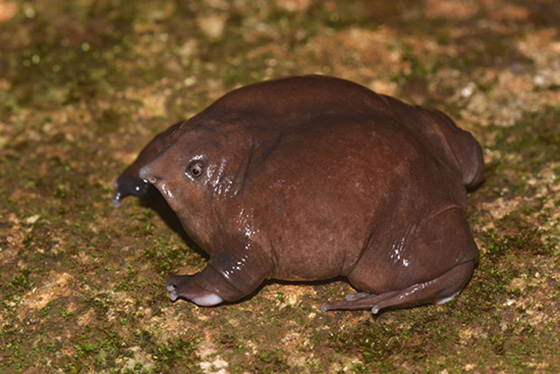
The purple frog, also known as the Indian purple frog or pignose frog, is native to the Western Ghats in India. It is an endemic species in this area, meaning it can only be found here. This frog is named both for its coloration as well as its elongated snout. This adaption allows them to consume termites easily.
This species is incredibly rare. The juvenile was first described in 1917, but adults of the species weren’t described until nearly a century later, in 2003. They spend the majority of their life underground. When they emerge, it is only during the monsoon season to mate.
Amazonian Horned Frog
Amazonian Horned Frog
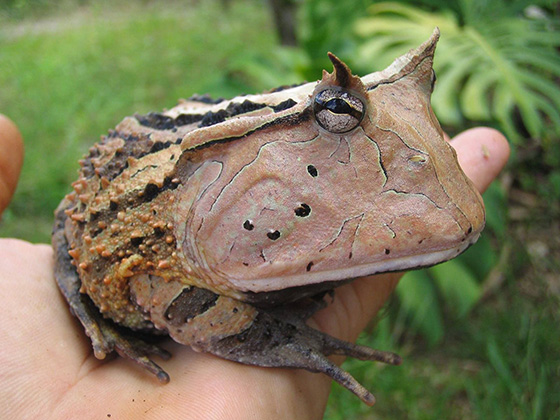
The Amazonian horned frog is also known as the Surinam horned frog. These frogs are native to South America, specifically the northern regions of the continent. It is named, and also most well known, for the horn-like anatomy above its eyes.
During the mating season, females of this species can lay around 1000 eggs, which they wrap in aquatic plants. When the tadpoles emerge, they will fight one another. They will also fight tadpoles of other species.
Amazonian horned frogs have a largely diverse diet. This includes other frogs. However, they will also eat fish and mice. Much of this is thanks to their large size, which can reach up to around 7.9 inches in length. It is related to but not the same species as the smaller Argentine horned frog (Ceratophrys ornata).
Turtle Frog
Turtle Frog
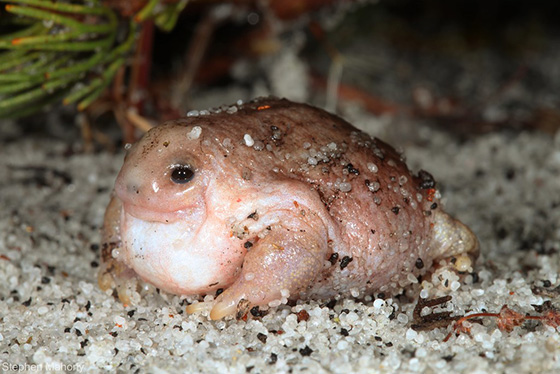
The turtle frog is the only species in the Myobatrachus genus. These frogs are found in Western Australia in a small region of Perth. They received their name from their appearance, which many compare to that of a turtle with no shell. Compared to the large Amazonian horned frog, these frogs are quite small, growing to be only around 1.8 inches long.
The closest relatives of the turtle frog are the sandhill frog and the forest toadlet. They are found within the same region as the turtle frog, and they share many physical and behavioral traits.
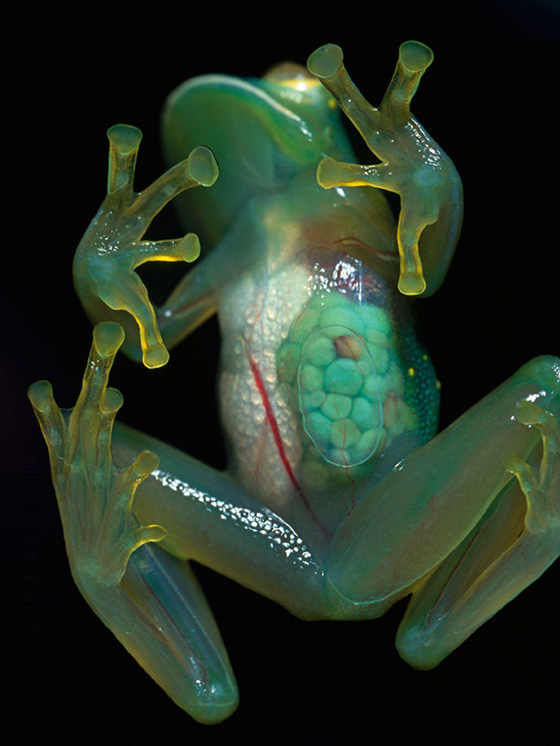
Glass Frog
Glass Frog
Glass frogs are the different species in the family Centrolenidae. These frogs can be strange to look at, thanks to their nearly transparent skin. This allows you to see much of their innards, though the exact visibility may vary based on the species. These frogs are found throughout southern North America and northern South America.